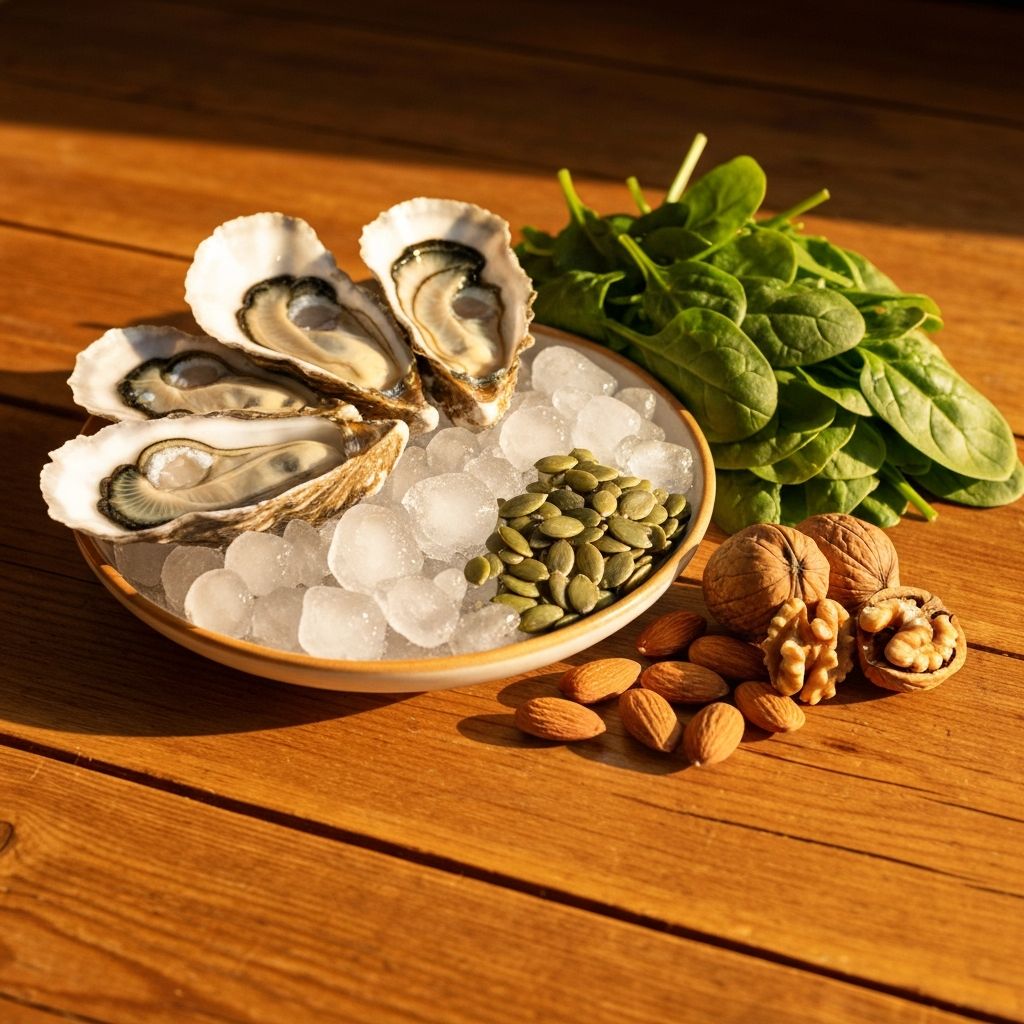
Mediterranean foods rich in zinc and magnesium

Zinc & Magnesium in Traditional Nutrition

Exploring the role of essential microelements in Mediterranean dietary traditions and general physiological equilibrium in midlife

Educational content only. No promises of outcomes.

Zinc in Traditional Diets

Natural Dietary Sources

Zinc has played a significant role in traditional Mediterranean cuisine for centuries. This essential microelement appears naturally in specific food categories that have been staples of Italian and Mediterranean eating patterns.

Seafood, particularly oysters and other shellfish, represents one of the most zinc-dense natural sources in traditional coastal diets. Legumes, nuts, and seeds have historically served as reliable plant-based sources across various cultural contexts. The presence of zinc in these foods contributed to their cultural significance and regular incorporation into traditional meals.

In the context of general nutritional science, zinc participates in numerous biochemical processes within the body. Understanding these traditional sources offers insight into historical dietary practices and their nutritional composition.
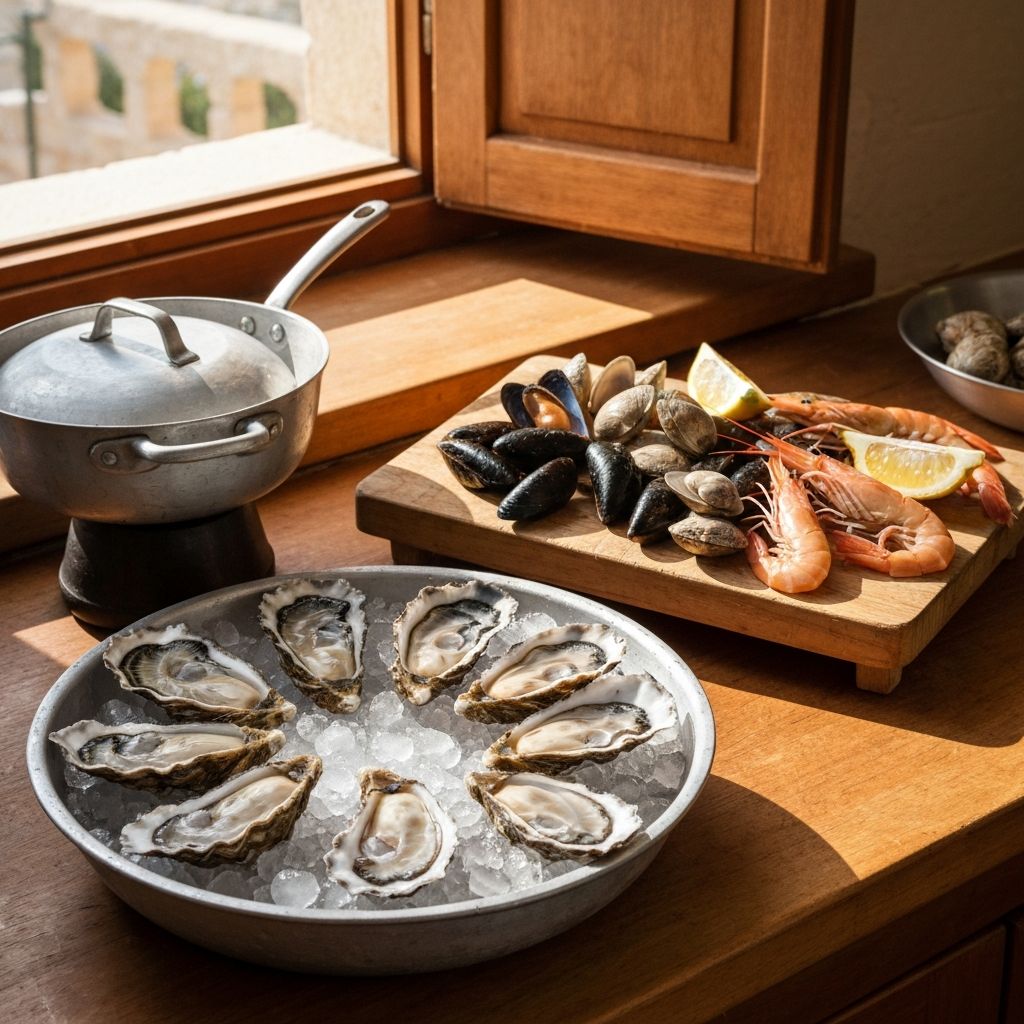
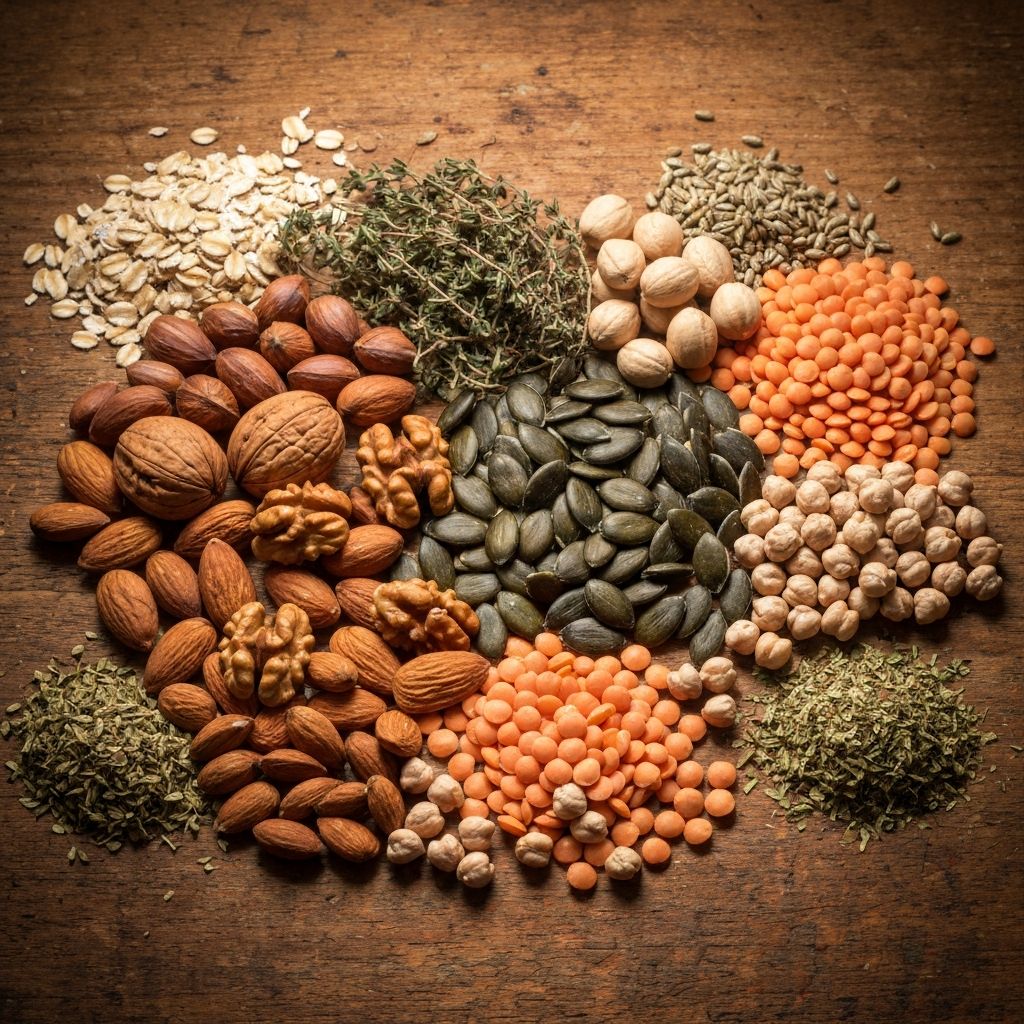
Traditional zinc-rich foods

Magnesium in Everyday Nutrition

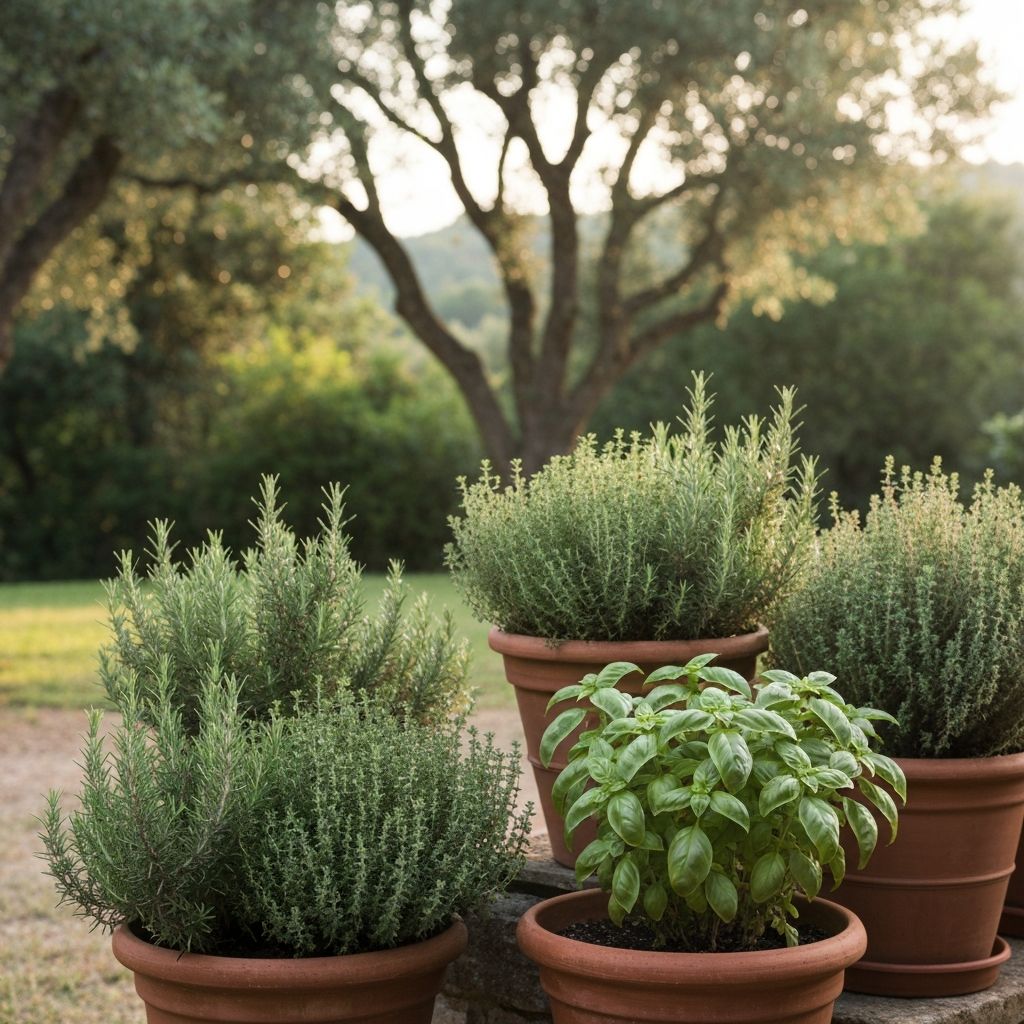
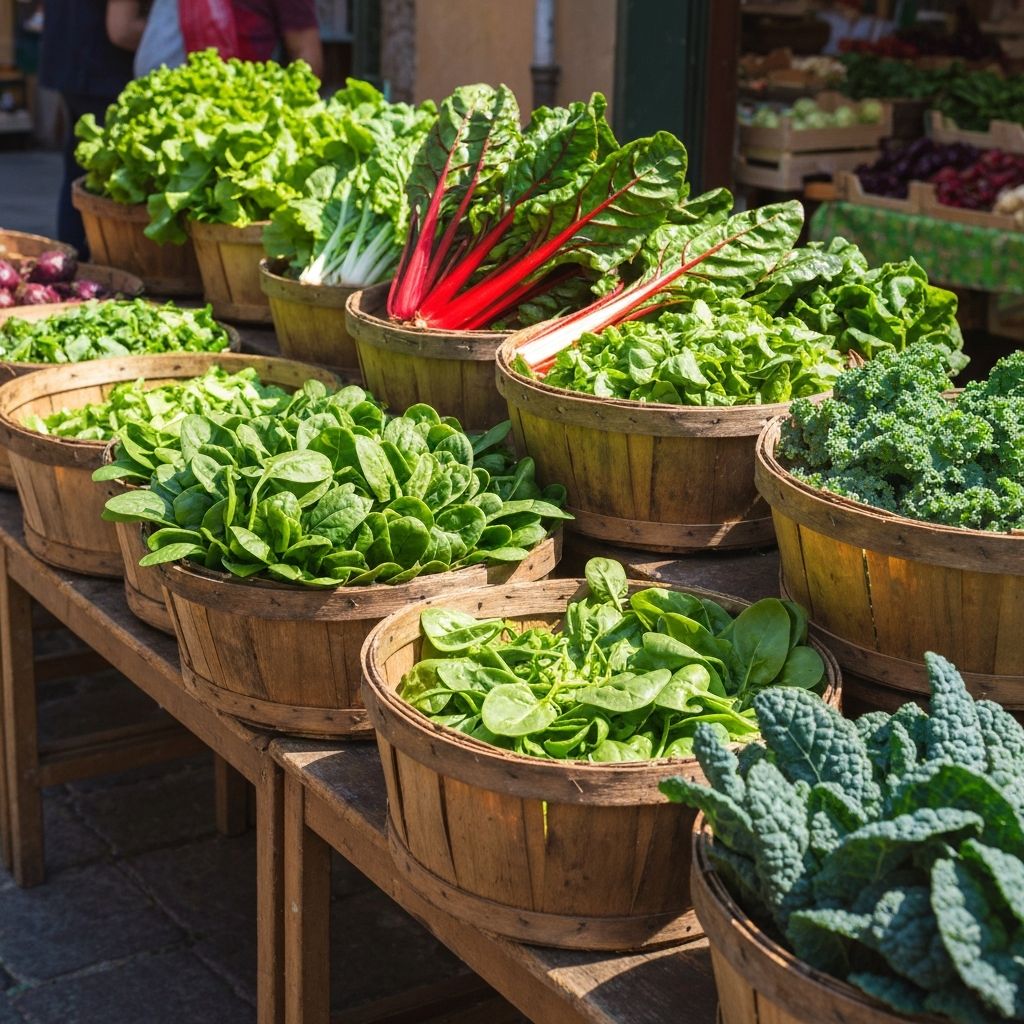
Fresh Mediterranean vegetables rich in magnesium

Role in Mediterranean Eating Patterns

Magnesium has been a cornerstone of Mediterranean dietary traditions, primarily through abundant leafy vegetables, whole grains, and nuts that form the foundation of this eating pattern. Fresh greens have always been accessible in Mediterranean climates, making them natural dietary staples.

The mineral appears consistently in traditional Italian and Mediterranean meals, not as a supplement but as a natural component of everyday foods. Spinach, chard, kale, and other leafy greens represent the most recognized magnesium-rich sources in traditional contexts. Additionally, nuts, seeds, and whole grain preparations have historically provided significant magnesium content in traditional recipes.

From a biochemical perspective, magnesium functions in cellular processes across various systems. Its presence in traditional foods reflects the natural nutritional composition that supported general wellness in historical dietary practices.

Combined Occurrence in Foods

Certain traditional foods naturally contain both zinc and magnesium, reflecting a complementary relationship in nature. This combined presence in single foods has made them valuable components of balanced traditional meals across various cultures.

Examples of foods containing both elements:

  • Pumpkin and sunflower seeds - traditional snacks and meal ingredients in Mediterranean regions
  • Almonds and other tree nuts - staple ingredients in Italian and Mediterranean cuisine
  • Whole grain and legume combinations - foundational elements of traditional Mediterranean meals
  • Leafy greens when combined with nuts or seeds in traditional preparations

This natural co-occurrence has contributed to the development of balanced traditional recipes that, without intentional nutrient matching, provided diverse microelement profiles through culturally rooted eating patterns.

General Biochemical Context

Zinc and magnesium function within numerous biochemical pathways in the human organism. Both microelements participate in enzymatic reactions, protein synthesis, and various metabolic processes that maintain general physiological function.

Understanding these elements solely from a biochemical perspective reveals their participation in cellular processes. However, this informational overview does not constitute any form of medical or health-related advice, nor does it suggest applications for specific health outcomes or conditions.

From a nutritional science standpoint, adequate microelement intake through diverse food sources represents a component of general nutrition. The traditional approach to nutrition emphasized variety and balance in daily meals rather than targeted supplementation of individual elements.

Cultural Practices in Midlife Wellness

Mediterranean Lifestyle and General Equilibrium

Mediterranean cultures have long emphasized the connection between daily eating practices and general physical well-being across all life stages, including midlife. This holistic approach to nutrition extends beyond individual nutrients to encompass lifestyle patterns, social eating contexts, and seasonal food availability.

The traditional Mediterranean way of life incorporated physical activity as a natural component of daily routines, combined with plant-forward dietary patterns rich in vegetables, whole grains, legumes, nuts, and moderate seafood consumption. These patterns emerged from geographical and cultural contexts rather than modern nutritional theory, yet they provided sustainable frameworks for maintaining general health across midlife and beyond.

Understanding these historical practices offers perspective on how traditional societies approached nutrition and lifestyle as integrated systems supporting general physiological equilibrium without the modern concept of targeted health interventions.

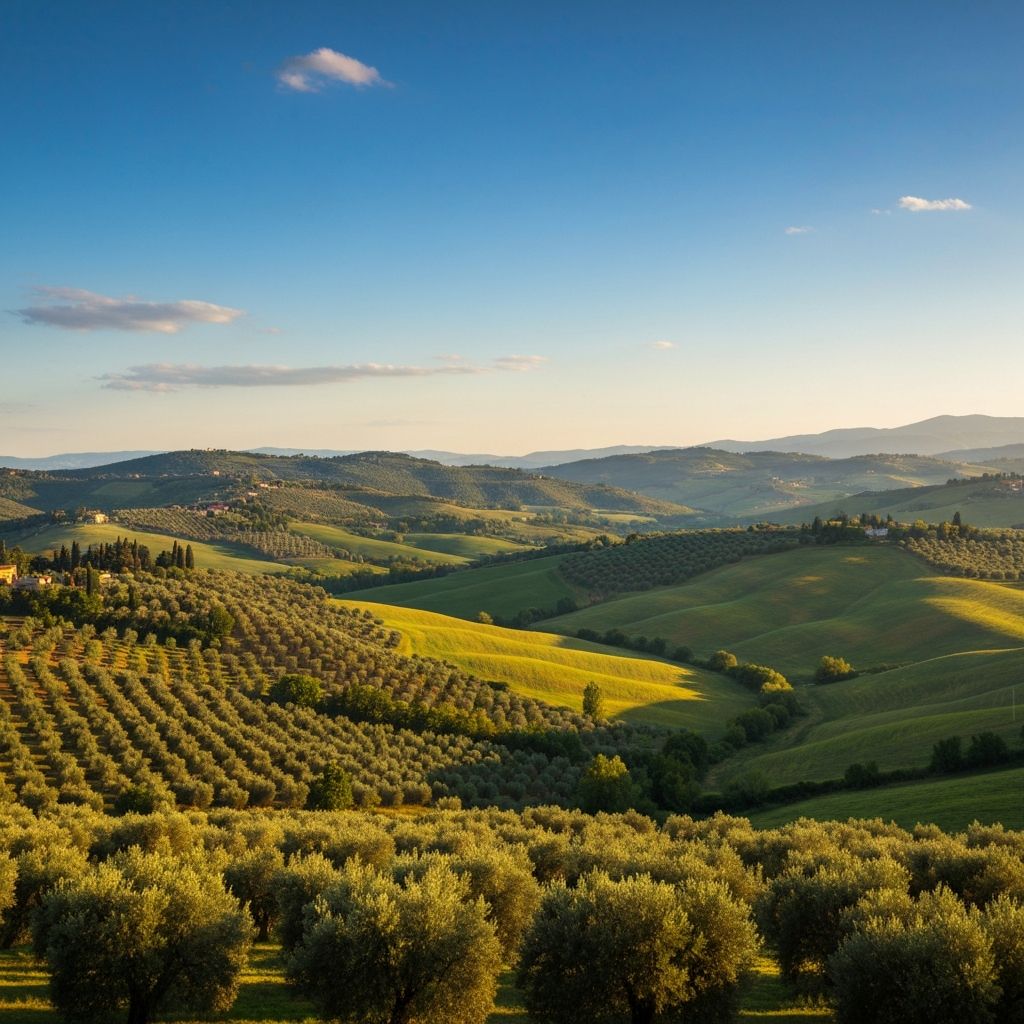
Mediterranean landscape

Dietary Diversity Traditions

Diverse natural food sources

Variety in Traditional Daily Meals

Traditional Mediterranean and Italian nutrition emphasized dietary diversity as a fundamental principle. Rather than focusing on specific nutrient targets, cultural practices naturally incorporated wide variety through seasonal eating, regional specialties, and intergenerational food knowledge.

The principle of variety—eating foods across different plant and animal categories throughout weekly and seasonal cycles—created natural exposure to diverse microelements without intentional nutrient counting. This traditional wisdom reflected practical understanding that diverse foods supported general wellness.

Seasonal produce, local specialties, and traditional recipes developed within cultural contexts created eating patterns naturally rich in varied microelements. The cultural preservation of traditional preparation methods and food combinations reflects centuries of accumulated experience in everyday nutrition.

Simple Breathing Techniques for Balance

Traditional Breathing Patterns

Gentle breathing practices represent a component of traditional wellness approaches across Mediterranean cultures. These simple techniques have been incorporated into daily routines for general stress management and maintaining mental clarity, independent of modern wellness terminology.

Simple practice: Slow, deep breathing through the nose for a count of four, gentle pause, then slow exhale through the mouth for a count of four. Repeating this pattern for several minutes represents a traditional approach to momentary calm and mental centering.

These practices reflect cultural understanding of the connection between breathing patterns and general well-being, practiced naturally without formal structured systems. Incorporating these techniques into daily routines represents an accessible component of traditional self-care practices.

Mediterranean garden for relaxation

Short Relaxation Methods

Serene Mediterranean landscape

Neutral Body Awareness Practices

Traditional approaches to relaxation emphasized simple body awareness without formal meditation frameworks. These practices represent accessible techniques for managing daily stress and maintaining general composure.

Simple practice: Sitting quietly for five minutes, bringing attention to physical sensations without judgment—noticing areas of tension, areas of ease, breathing patterns. This neutral observation, without attempting to change anything, represents a basic form of body awareness grounded in traditional practice.

Such practices have been embedded in daily life across cultures for generations, incorporated naturally into routines without modern structural frameworks. These accessible techniques support general stress management as components of traditional daily wellness practices.

Insights on Microelement Variety in Lifestyle

The traditional Mediterranean approach to nutrition viewed diverse food intake as fundamental to general well-being. Rather than targeting specific microelements, this approach incorporated variety through natural, culturally-rooted eating patterns that inherently provided broad microelement exposure.

Understanding the role of diverse foods in traditional equilibrium offers perspective on historical approaches to nutrition. The consistent presence of varied natural sources throughout daily meals created nutritional patterns that supported general physiological function across different life stages.

This informational overview presents historical and cultural context regarding traditional approaches to nutrition and lifestyle. It does not constitute recommendations for any individual to follow specific dietary or lifestyle patterns, nor does it suggest that specific microelement intake will produce any particular outcomes.

Important Informational Limitations

Educational Content Only: All materials on this site present historical, cultural, and informational context regarding traditional dietary practices and general nutritional concepts. This content is strictly educational and does not constitute medical, nutritional, therapeutic, or health advice.

No Individual Recommendations: The information provided does not represent personalized recommendations for any individual. Dietary approaches and health decisions should be made in consultation with qualified healthcare professionals who understand your specific circumstances.

Diverse Approaches: Different individuals maintain wellness through diverse approaches to nutrition and lifestyle. The historical practices described herein represent one cultural context and do not suggest universal applicability.

Not a Substitute: This information is not intended to replace professional medical, nutritional, or health guidance. Always consult qualified healthcare professionals for personalized health decisions.